Tesla · Robotaxi · 12 Nov 2026
Tesla Robotaxi now runs 24/7 in all eight cities (as of 11 Nov 2026)
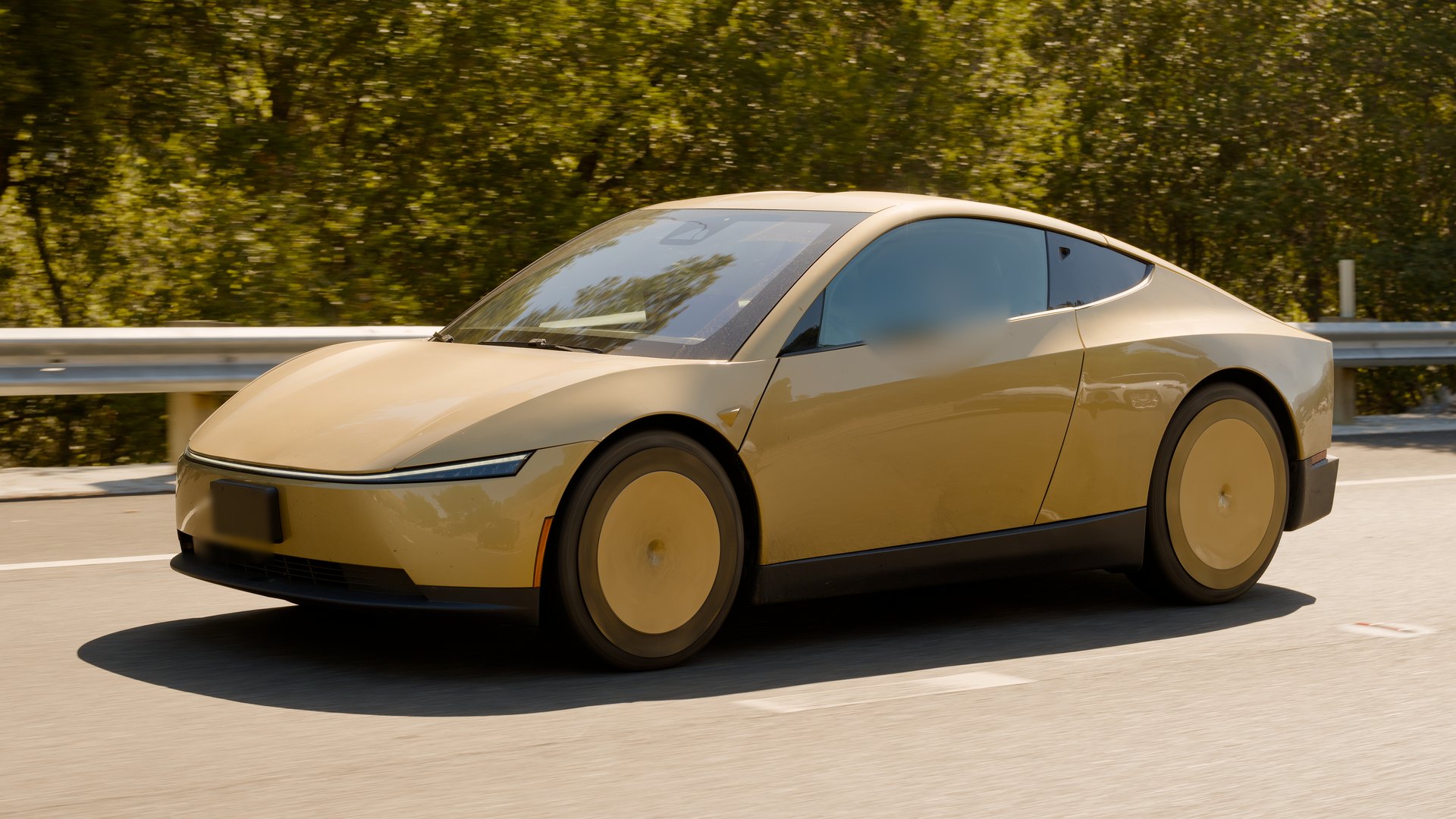
Tesla's Robotaxi account says rides now run around the clock in every city where the service operates, as of 11 Nov 2026. That's 168 hours a week, up from 112 at the end of August. The 2am close lasted 12 days. When I wrote that change up, I projected 24/7 around New Year's Eve if Tesla kept its August-to-October pace. It got there about 50 days sooner. Faster roads and new cities are still targets.
On this page
Updated
The editor holds Tesla and SpaceX shares. Supercharged Daily is independent and not affiliated with either company. Nothing here is financial advice.
Update, 14 Nov 2026: Tesla has started inviting select customers to order a Cybercab for personal use. Price, deposit and the $299-a-month fee →
Robotaxi now runs 24/7
— Robotaxi (@robotaxi) November 12, 2026
Every city we're available in

What Tesla said
The @robotaxi post went up at 11:31 p.m. ET on 11 Nov 2026 (8:31 p.m. PT): "Robotaxi now runs 24/7. Every city we're available in." About 40 minutes later Elon Musk quoted it with "Robotaxi works 168 hours a week." Ashok Elluswamy, who runs Tesla's AI software, also reposted it.
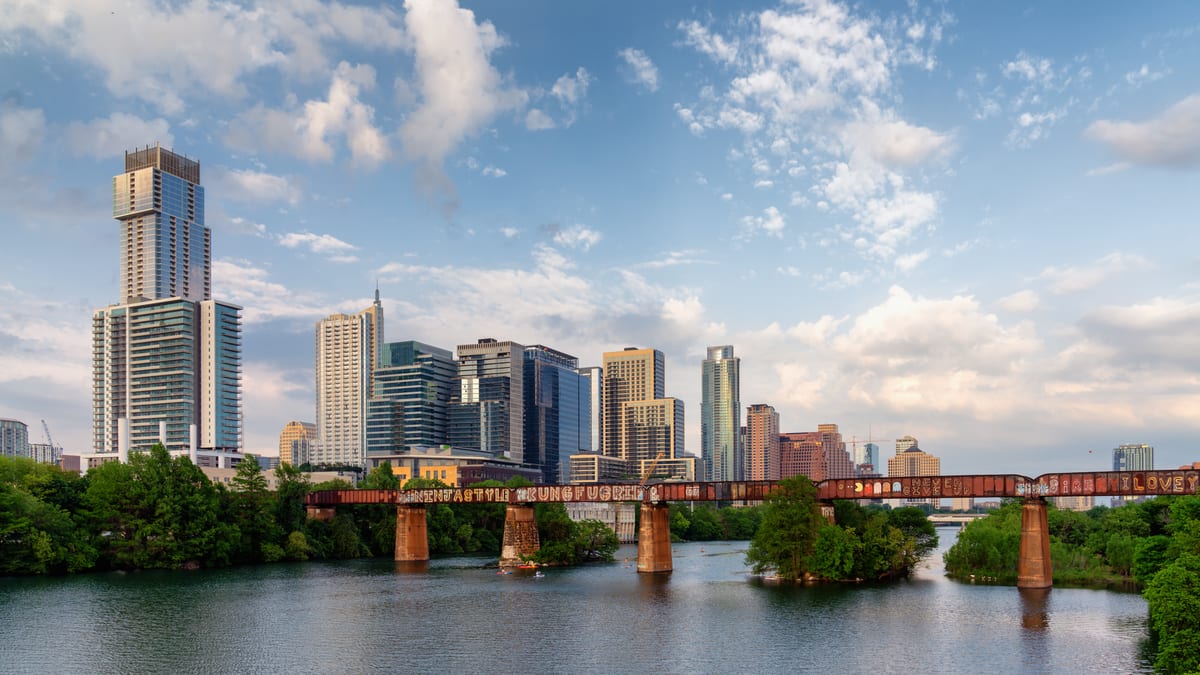
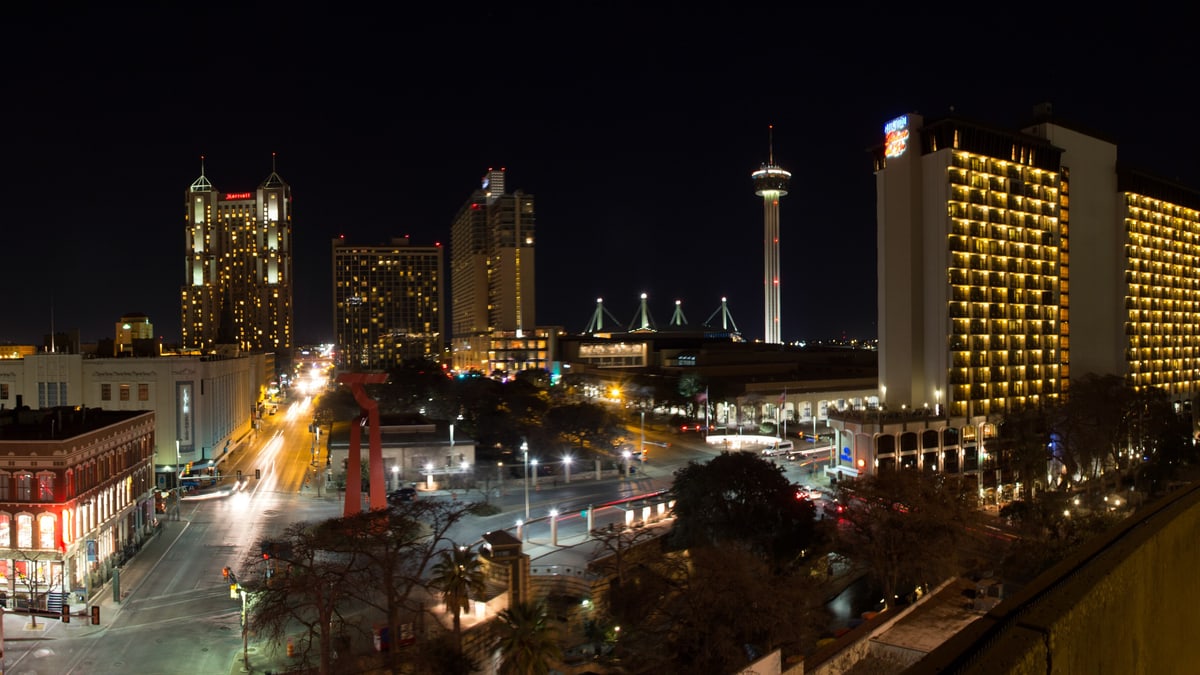
Tesla's Robotaxi page lists eight cities: Austin, Dallas, Fort Worth, Houston, Miami, Orlando, San Antonio and Tampa. A ride still needs a free car and a pickup and drop-off inside the service area.
How the week filled up
| Date | Hours (per @robotaxi) | Hours a day | Hours a week |
|---|---|---|---|
| 26 Aug 2026 | 6am to 10pm, 7 days | 16 | 112 |
| 2 Oct 2026 | 6am to 11pm, confirmed in a 12 Oct @robotaxi roundup ("updates from the last few weeks") | 17 | 119 |
| 30 Oct 2026 | 6am to 2am | 20 | 140 |
| 11 Nov 2026 | 24/7, every city | 24 | 168 |
Hours a day and a week are my arithmetic from each official @robotaxi schedule. The 11pm change is dated 2 Oct, as on my 2am page; the 12 Oct post is a roundup, not the day the hours first moved. Official @robotaxi posts skipped the midnight and 1am steps I covered earlier from an app alert and rider reports.
That's 56 more hours a week, or 50% more, in 77 days from 26 Aug to 11 Nov. The jump from 2am to round the clock took 12 days (30 Oct to 11 Nov). When I wrote up the 2am change, I worked out that Tesla would reach 24/7 around New Year's Eve if it kept the pace it set between August and October. It got there about 50 days sooner (11 Nov is 50 days before 31 Dec). Those day counts are my calculations, not a Tesla timetable.
The promise, and what's still open
On the Q3 call on 21 Oct, Elluswamy said Tesla would "unlock 24/7 operation, go to higher speed roads" and that "all of that will be done hopefully by the end of this year," according to call transcript text carried by TradingKey and TeslaNorth. He also gave the rule behind the gradual rollout: "We just want to make sure that there's not a single safety incident." I don't have Tesla's own published transcript in front of me, so those lines are from those third-party transcripts. The 24/7 half of that target is met. Tesla's post says nothing about faster roads, bigger service areas or new cities, so those stay in the pledge column until it does.
Against Waymo
Waymo was already running all night. Its FAQ says riders can hail a car 24 hours a day, 7 days a week, and its Austin cars on Uber run the same hours. Two weeks ago Tesla covered 20 of those 24 hours. It now matches Waymo's hours in Austin.
For a rough sense of scale, Tesla had 1,080 vehicles on the Texas DMV's authorized list when I checked on 28 Oct. If every one ran all day, that's 25,920 vehicle-hours a day against 21,600 at 20 hours, or 4,320 more. That's a ceiling only, and it's my calculation. Cars stop to charge and get cleaned, and the list counts authorized vehicles, not cars carrying riders.
My read
I expected the last four hours to take longer than the first four, because nights mean fewer riders and less light for the cameras. Elluswamy has said the hours grow as the software earns them, and Tesla switched on all eight cities in one go. My guess is that Tesla now trusts the same software across all of them. The next step to watch is higher-speed roads, which Elluswamy put on the same year-end list. I'll update this page when Tesla says more.
Background: the 2am change and the San Antonio launch.
— Alex R
Sources: @robotaxi on X (11 Nov 2026); Elon Musk on X (12 Nov 2026, 12:12 a.m. ET); @robotaxi (30 Oct 2026); @robotaxi (12 Oct 2026); @robotaxi (26 Aug 2026); Tesla Robotaxi page (eight cities, as of 12 Nov 2026); TradingKey, Q3 2026 call transcript text and TeslaNorth (22 Oct 2026), for Elluswamy's Q3 call quotes; Waymo FAQ; Uber, Waymo on Uber; Texas DMV authorized-vehicle list as checked 28 Oct 2026. Hour totals, the pace comparison and vehicle-hour ceiling are my calculations. Video: Tesla Robotaxi / Tesla. Hero photo: 9yz, CC BY 4.0, via Wikimedia Commons. Never Electrek.