Analysis · Tesla · 14 Oct 2026
319 Cybercabs, six weeks: what the Texas numbers really tell us
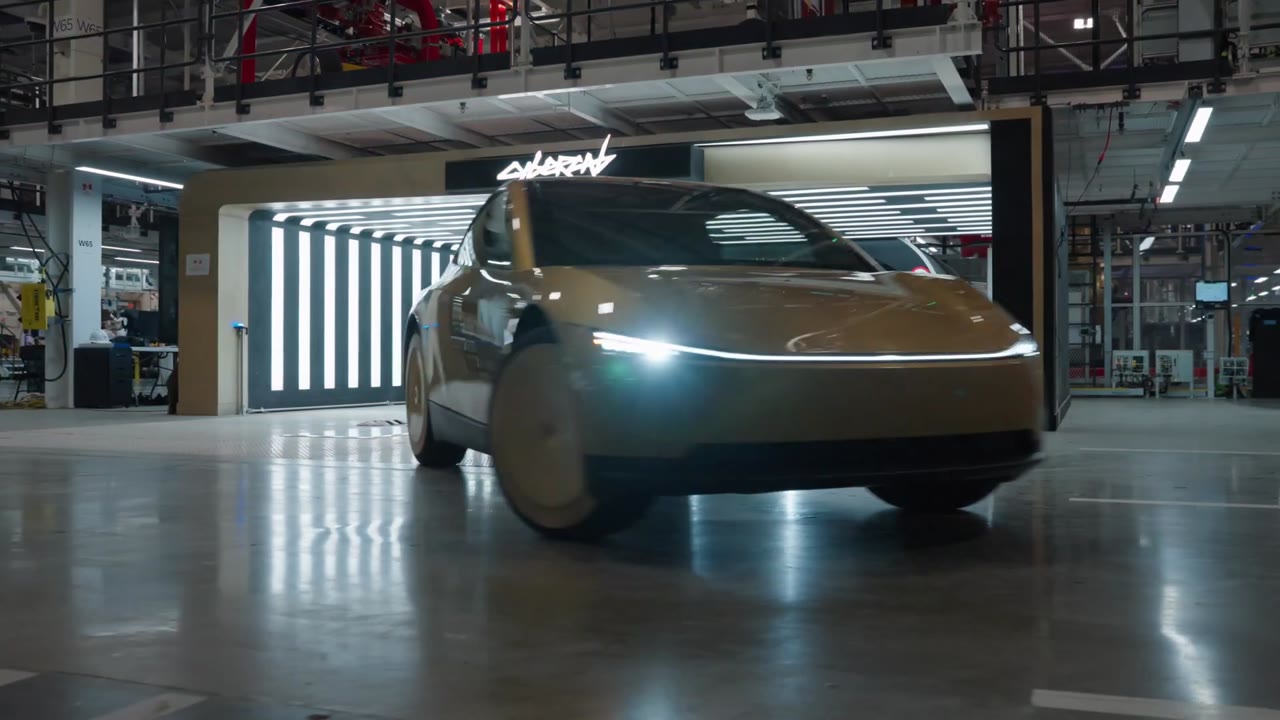
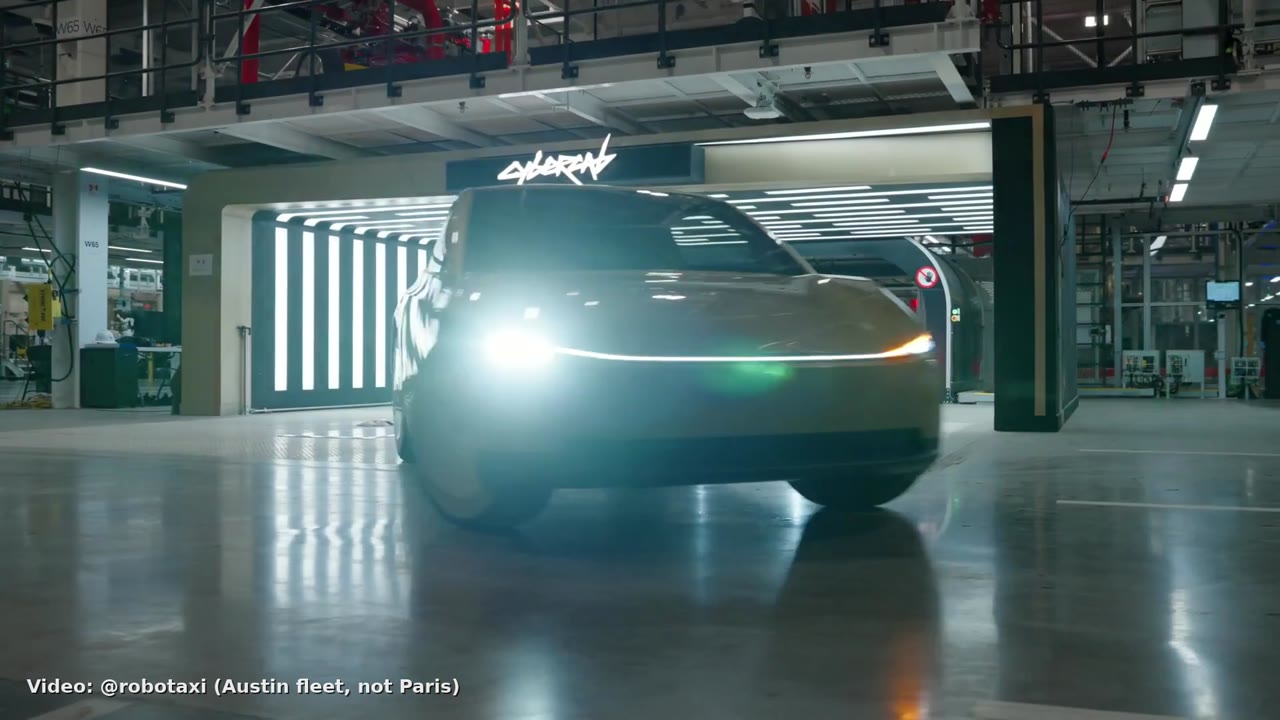
Two numbers have been doing the rounds since last week. Tesla’s Robotaxi account says more than 300 Cybercabs are now serving riders in Austin. And the Texas DMV’s automated-vehicle registry now lists 319 of them. They line up neatly, which is exactly why they are worth taking apart.
What the registry actually measures
The Texas list records vehicles Tesla is authorised to run as automated vehicles. It does not show how many are carrying passengers on any given day, a point EV (eletric-vehicles.com) makes plainly in its write-up of the data from RobotaxiTracker. On 8 Oct Tesla added 150 Cybercabs in one batch, its biggest yet, taking the count from 169 to 319. Of those 319, community trackers had matched 78 to a real-world sighting, and none of the newest 150 had been spotted by the following morning.
So “319 registered” and “300+ serving Austin” are not the same claim. One is paperwork; the other is Tesla’s own statement. They agree in size, which is encouraging, but the only independent check so far covers about a quarter of the cars. EV also quotes tracker analyst McKanna warning against reading tracker totals as fleet size. In September McKanna estimated about 311 Tesla vehicles active across all markets over 30 days.
The mix tells you more than the total
The more interesting shift is what Tesla has stopped adding. Every vehicle added to the Texas registry since 23 September has been a Cybercab. The Model Y count has sat at 420 since then. At the 3 September launch, Cybercabs were about 11% of Tesla’s registered Texas fleet. Now they are 43% of 739.
That fits what Tesla reportedly told JPMorgan in August: it was “intentionally holding back” on Model Y robotaxis while it prepared to scale the Cybercab. In other words, the Model Y was the bridge, and Tesla is now treating the two-seater as the product. Elon Musk said as much on the Q1 call: “90% of miles driven are with one or two people”, so “you’d want a vast majority of your production to be Cybercab” (Q1 2026 call transcript).
Against the expectations Tesla set
In April, Musk said Cybercab production had just started and warned that it would be “a stretched out S-curve”: “very slow” at first, then “going kind of exponential towards the end of the year” (Q1 2026 call transcript). The registry is the best public proxy we have for that curve. It went 45 at launch, then 67, 169 and 319 in about six weeks, with the latest single batch almost as big as all the earlier ones combined. That looks like the bend of an S-curve arriving roughly when Musk said it would.
Two caveats keep this from being a victory lap. First, registrations measure what Tesla chooses to put on a list, not factory output. Tesla doesn’t publish a Cybercab production figure, and its Q3 delivery report lumps it into “Other Models”. Second, scale is still modest next to the competition on the same registry. Waymo has 1,185 vehicles registered in Texas, and Tesla now has 739 across both models (EV). Tesla is growing faster, adding 302 in 30 days to Waymo’s 197, but from behind. Against a listed Giga Texas capacity of more than 125,000 a year, 319 cars is a pilot, not a ramp.
The fleet is scaling. The question has moved from “can they build it?” to “will it be allowed to run everywhere they build it for?”
The paperwork is the real bottleneck
The Cybercab has no steering wheel or pedals, and Tesla told NHTSA it certified the car as compliant with all applicable federal safety standards itself (NHTSA audit query AQ26002). That certification is now under examination. NHTSA has given Tesla until 30 October to provide sworn answers to a Special Order on the car’s compliance, granting 30 more days rather than the eight weeks Tesla asked for (EV). A clean answer would leave the path to volume open. A finding against Tesla would matter far more than any registry number.
What to watch next
- 21 Oct, Q3 earnings: the first chance for an official fleet number, and maybe a Cybercab production figure, which would settle the registered-versus-running question (Teslarati).
- 30 Oct, NHTSA deadline: Tesla’s sworn answers on self-certification.
- Dallas: Tesla AI chief Ashok Elluswamy named it the next Cybercab city on 10 Oct, with no date beyond “soon” (EV). A second city would show whether this scales beyond one geofence.
- Sightings vs registrations: if the share of registered Cybercabs that are actually spotted climbs well past a quarter, the 300+ claim gets independent backing.
My read: the numbers are real and the direction is clear, but the honest headline is “Tesla has registered 319 Cybercabs and says 300+ are serving Austin”, not “300 driverless cars on the road”. The next three weeks, with earnings, NHTSA and Dallas, will show which one it is. Follow it live on the Cybercab tracker.
Sources: EV / RobotaxiTracker registry analysis (9 Oct) · CyberCab.News on Tesla’s 300+ post (10 Oct) · Tesla Q1 2026 call transcript (22 Apr) · NHTSA AQ26002 · EV on Dallas (10 Oct) · Teslarati