SpaceX · Tesla · Earnings · 18 Oct 2026
SpaceX reports Tuesday, Tesla Wednesday, then 1.3 billion SpaceX shares unlock: Musk's earnings week, explained
For the first time, Elon Musk's two big public companies report on back-to-back days. SpaceX posts its third-quarter results after the close on Tuesday, October 20, with an audio webcast at . Tesla follows on Wednesday, October 21, with its Q&A at . Then on Thursday, up to 1.3 billion SpaceX shares become free to sell, the largest single release in its lock-up schedule. The two reports are expected to point in opposite directions: Wall Street expects SpaceX's revenue to jump about 63% from last quarter, and Tesla's to slip slightly from a year ago.

SpaceX set its date on Friday: "We will post our Q3 2026 financial and operational results on October 20, 2026." Its investor relations release says the call will also stream live on X at @SpaceX. Tesla locked in its date back on October 2, in the same release as its delivery numbers.
We will post our Q3 2026 financial and operational results on October 20, 2026. We will host a live audio-only webcast at 3:30 p.m. CT the same day
— SpaceX (@SpaceX) October 16, 2026
The week at a glance
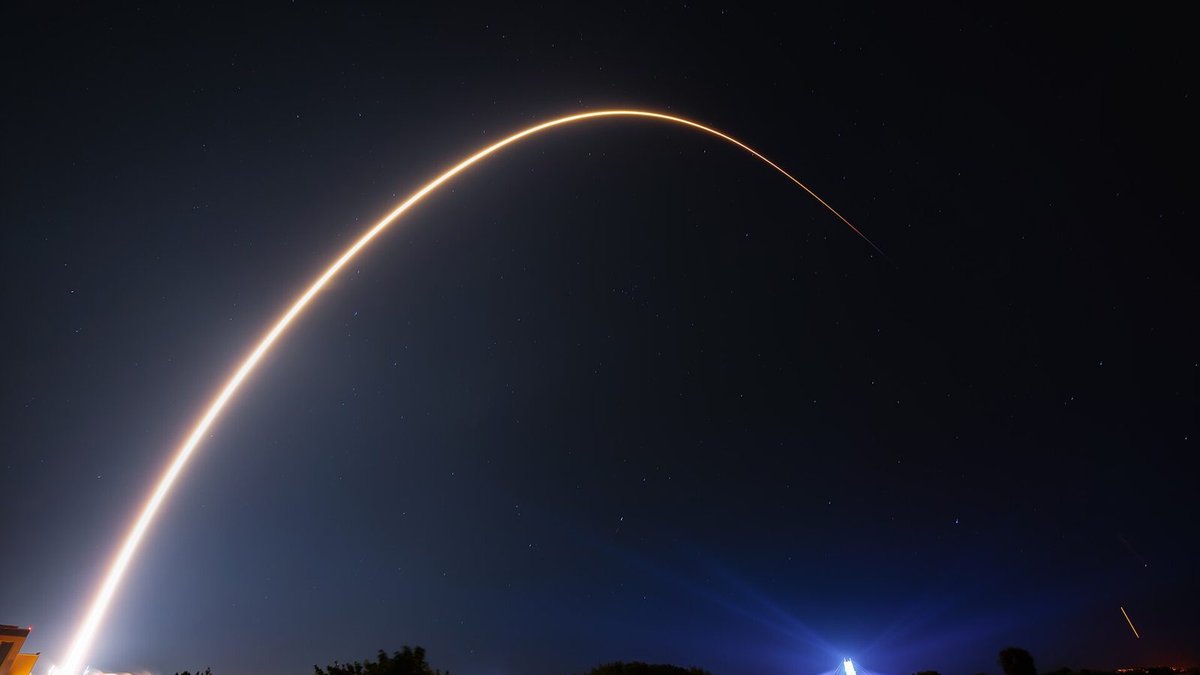
- : Falcon 9 launches Bandwagon-5, carrying SpaceX's second Starfall reentry capsule. Our preview is here.
- Tuesday, Oct 20, after the close: SpaceX Q3 results, then the audio webcast at .
- Wednesday, Oct 21, after the close: Tesla Q3 results, then the Q&A webcast at .
- Thursday, Oct 22: up to 1.3 billion SpaceX shares are released from lock-up.
- Saturday, Oct 24: another 328.4 million SpaceX shares are released, tradable from Monday, Oct 26.
SpaceX: the AI business is supposed to explode
This is only SpaceX's second report as a public company. Its first, on August 4, showed revenue of $7.81 billion, up 92% from a year earlier, and a net loss of $541 million. The company now reports in three segments, and the forecasts for each tell you where Wall Street thinks the growth is:
| SpaceX segment | Q2 2026 actual | Q3 consensus | Implied change |
|---|---|---|---|
| AI (Grok, X ads, compute for other companies) | $2.56B | About $6.4B | About 2.5 times |
| Connectivity (Starlink) | $4.29B | About $4.8B | Up about 12% |
| Space (launch, Starship, Dragon) | $0.96B | No published consensus | n/a |
| Total | $7.81B | $12.74B (LSEG) | Up about 63% |
Sources for the table: Q2 figures from SpaceX's Q2 release; total consensus is the LSEG mean of 27 analysts (16 Oct); segment consensus from TipRanks. Other surveys run higher: TipRanks puts total revenue at $12.86 billion and BusinessQuant at $13.43 billion. Percentages are my own arithmetic.
Almost all of that expected jump is the AI segment, and there's a simple reason. SpaceX rents computing power from its Colossus data centers to other AI companies. In an SEC filing in June, it disclosed that Anthropic will pay $1.25 billion a month for capacity across Colossus and Colossus II. If that contract ran for all of July, August and September, it's worth $3.75 billion in one quarter, which is more than the whole AI segment brought in during Q2. Google's deal, at $920 million a month, only starts in October, so it shouldn't show up until the fourth quarter.
Starlink is the steadier story. It ended June with 12.0 million subscribers, double a year earlier, but average revenue per user had fallen to $66 a month from $85, as cheaper plans and new markets pull the average down. UBS, in a preview published September 29, expects about 14.3 million subscribers by the end of September.
What to listen for on SpaceX's call
- Google's GPUs. Under the deal, SpaceX had to supply roughly 110,000 GPUs by September 30, and Google can walk away if that commitment is missed. Expect a question on whether it was met.
- Compute capacity. SpaceX had 1.4 gigawatts of AI computing installed at the end of June, up from 1.0 at the end of March. The new number says a lot about how fast more rental revenue can arrive.
- Cursor. SpaceX closed its $60 billion purchase of the AI coding company Cursor on August 14, so this is the first quarter with Cursor inside the AI segment, for about half the quarter. Watch how much it adds.
- Spending. AI capital spending was $15.8 billion in Q2 alone. Watch whether that number climbs again.
- Starship and Starfall. Monday's capsule flight and the next Starship test are likely to come up in the Space segment discussion.
Tesla: more cars, lower expectations
Tesla already gave away its biggest number. On October 2 it reported 486,532 deliveries for the quarter, well ahead of the roughly 461,100 analysts expected, according to CNBC. That's up about 6,400 from the second quarter and down about 2% from a year earlier, when buyers rushed to beat the end of the federal EV tax credit. It also deployed 13.7 GWh of energy storage, up from 13.5 GWh in Q2 and 12.5 GWh a year ago.
Profit is the open question. Zacks' consensus is earnings of $0.43 a share on revenue of $27.79 billion. That would be down 14% and 1.1% from a year earlier, and the earnings estimate has been cut by about 12% over the past 30 days. Last quarter, Tesla earned $0.33 a share against an expected $0.50.
| SpaceX (Tue) | Tesla (Wed) | |
|---|---|---|
| Expected revenue | $12.74B | $27.79B |
| Expected direction | Up about 63% on Q2 | Down 1.1% on a year ago |
| Expected earnings per share | $0.14 (LSEG) | $0.43 (Zacks) |
| Last quarter vs forecast | Revenue beat by about 13% ($7.81B vs $6.93B, LSEG) | Earnings missed ($0.33 vs $0.50) |
| Main growth driver | Renting AI compute | Car volume, energy storage |
Musk has been clear about where he thinks Tesla's value lies, and it isn't this quarter's car margins. Replying to a Tesla investor at he wrote: "Optimus and Cybercab will be the vast majority of Tesla's value." That sets up the questions likely to dominate Wednesday's call: how fast the Cybercab robotaxi service is expanding, when Optimus robots reach real production, and the newly revealed Roadster, which Tesla says will enter production in 2028.
The other topic that won't go away is a combination of the two companies. Barclays told clients on October 14 that an announcement could come before Tesla's annual meeting, which Barclays says has to be held by December 6. Neither company has confirmed any talks. We covered that note here. Back-to-back earnings calls give analysts two chances in two days to ask.
Thursday: the biggest SpaceX unlock yet
When SpaceX went public in June at $135 a share, most early investors and employees agreed not to sell straight away. Instead of the usual single release after 180 days, SpaceX's prospectus sets out a staircase of smaller releases. The biggest step is tied to this week: up to 1.3 billion shares, 28% of the 180-day pool, on the second full trading day after the Q3 results. With results on Tuesday, that lands on Thursday, October 22.
For scale, the largest release so far was 911.5 million shares on August 6, two days after the Q2 report, so Thursday's is more than 40% bigger. Under the prospectus, another 455.8 million shares would also have been freed in August if the stock had closed at $175.50 or higher on at least five of the ten trading days up to the Q2 report. It didn't: the best close in that window was $125.33, Protos reported, so those shares roll into the final 180-day release on December 8. Musk's own roughly 6.4 billion shares stay locked until June 12, 2027.
One thing to keep in mind: unlocked shares are shares that holders are allowed to sell, not shares that will be sold. But it does mean the stock's reaction to Tuesday's numbers will play out while a lot of new supply becomes available.
My read
The interesting thing about this week is how different the two stories have become. SpaceX is being judged like an AI infrastructure company now: the forecasts assume one new customer contract more than doubles a segment in a single quarter, and the biggest risk is delivery, meaning getting enough GPUs powered up on time. Tesla is being judged on the opposite problem. It sold more cars than anyone expected and still faces lower profit estimates, while its CEO is telling investors to look past the cars entirely. If SpaceX hits its numbers on Tuesday, expect a lot of Wednesday's questions to be about how the two companies fit together.
What to watch
- SpaceX's AI revenue against about $6.4 billion. Any shortfall would point to the compute rollout, not demand.
- Starlink subscribers against about 14.3 million, and whether revenue per user keeps sliding from $66.
- Tesla's earnings per share against $0.43, and whether the delivery beat shows up in margins.
- Cybercab and Optimus timelines on Tesla's call.
- SPCX trading on Thursday, the first day the 1.3 billion shares can be sold.
Sources: SpaceX IR, Q3 date release (16 Oct 2026); @SpaceX on X (16 Oct 2026); SpaceX Q2 2026 results, SEC filing (4 Aug 2026); SpaceX SEC correspondence on the Anthropic agreement (1 Jun 2026); CNBC on the Google deal (5 Jun 2026); LSEG estimate summary (16 Oct 2026); TipRanks; BusinessQuant; UBS preview via TipRanks (29 Sep 2026); CNBC on Q2 results vs LSEG (4 Aug 2026); SpaceX 424B4 prospectus, lock-up schedule (12 Jun 2026); SpaceX 8-K on closing the Cursor deal (14 Aug 2026); Protos on the August price test; Tesla IR, Q3 2026 deliveries (2 Oct 2026); CNBC (2 Oct 2026); Zacks via Yahoo Finance (14 Oct 2026); @elonmusk on X (18 Oct 2026). Estimates are analysts' forecasts, not company guidance, and may change before the reports. This is news and analysis, not investment advice.
— @AlJR86