Tesla · Cybercab · 17 Nov 2026
Tesla's €3 billion Berlin hall is sized for 1 million Cybercabs a year. EU rules allow 1,500
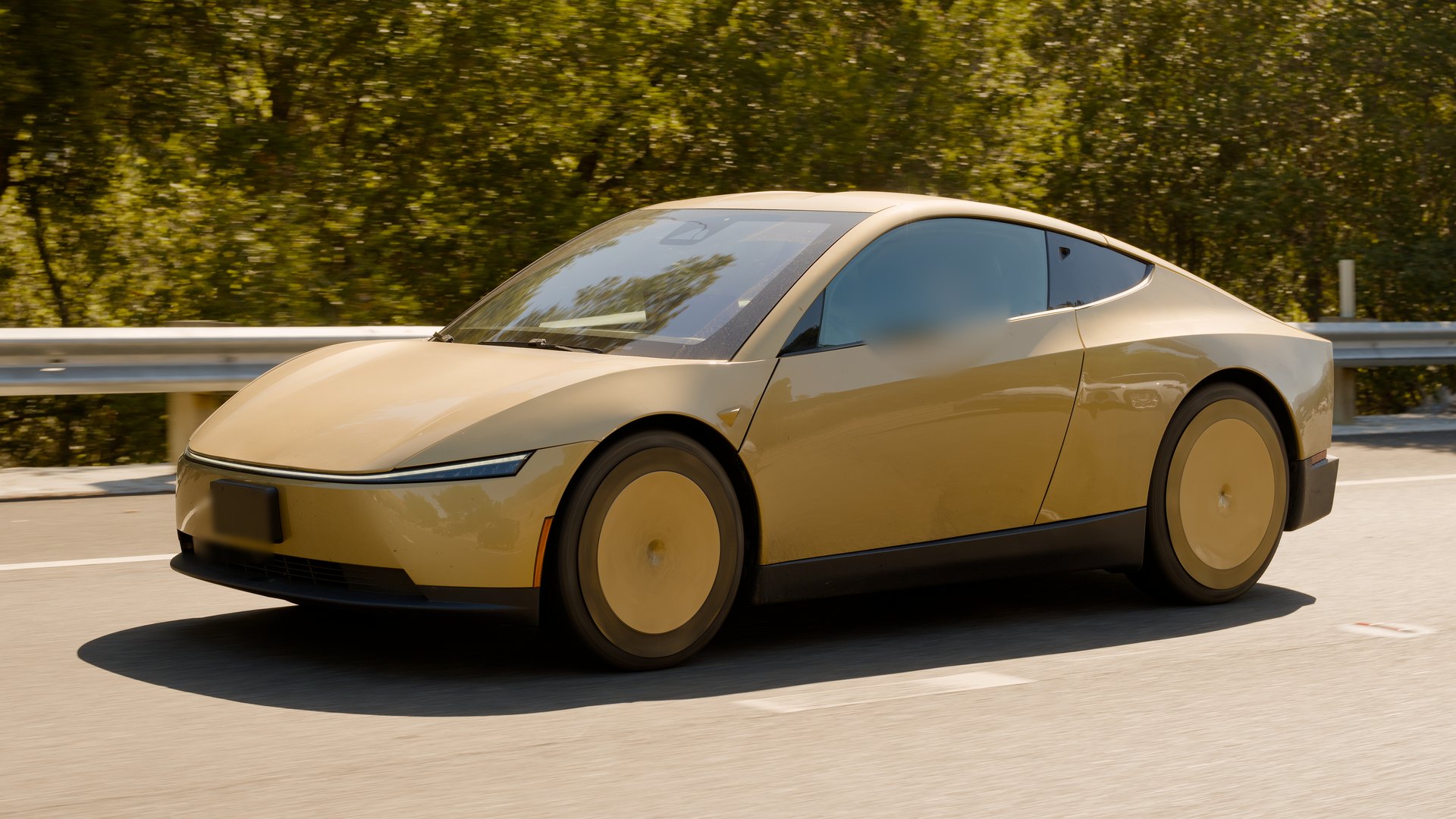
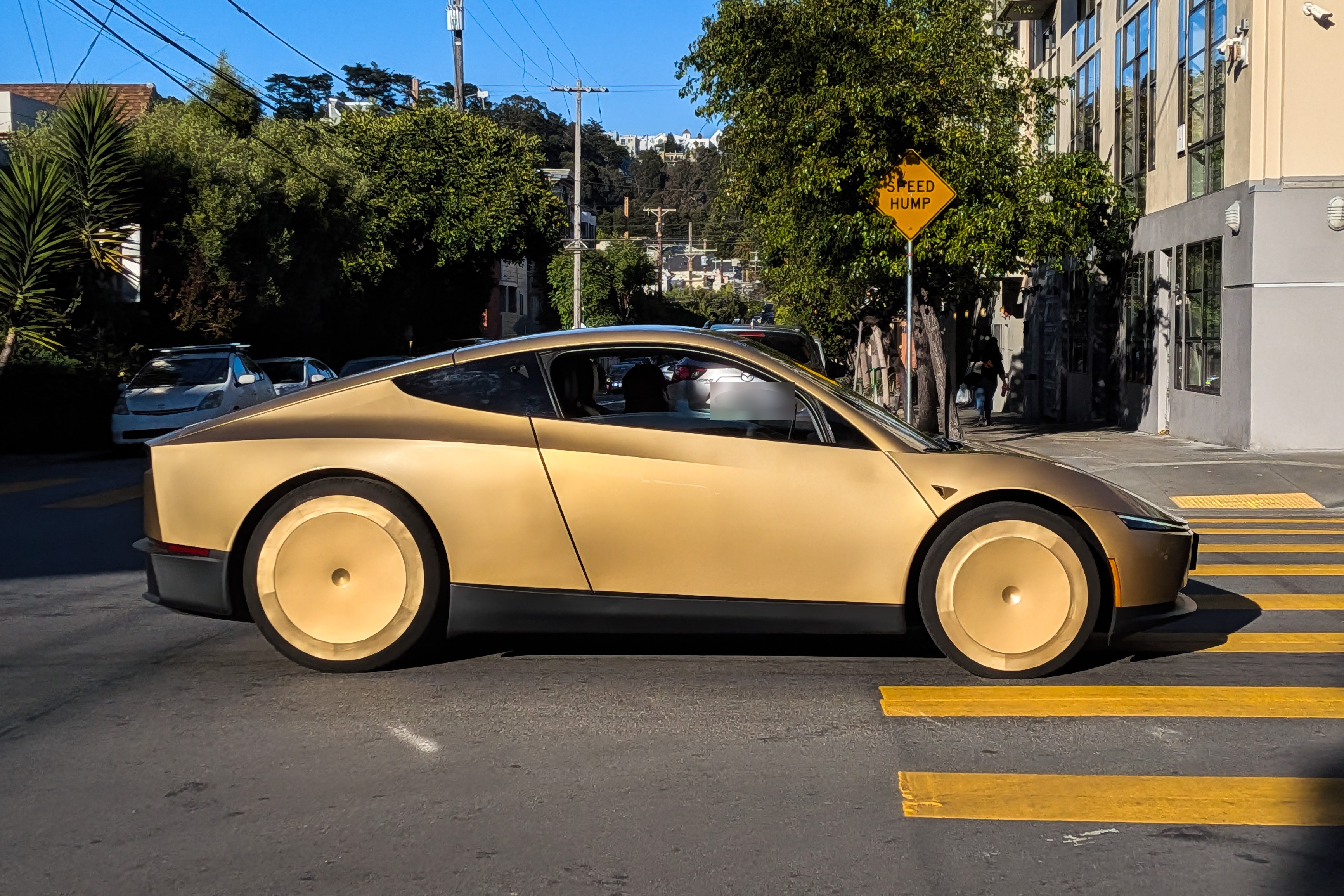
Tesla says it will put about €3 billion ($3.3 billion) into a new building at Giga Berlin, start construction in the first half of 2027 and build Cybercabs there from 2029. The hall is meant to make up to 1 million a year. Right now, EU law lets a driverless car type be registered 1,500 times a year.
On this page
The editor holds Tesla and SpaceX shares. Supercharged Daily is independent and not affiliated with either company. Nothing here is financial advice.

What Tesla announced
Plant manager André Thierig posted the news on X at 11:19 a.m. ET (8:19 a.m. PT) on Monday: "We are expanding! Cybercab production is coming to Giga Berlin!" Elon Musk reposted it overnight.
If you ever wondered, what we would be doing at Giga Berlin with all the land that we have… We are expanding! Cybercab production is coming to Giga Berlin! Today we announced a first investment of around € 3b in a new manufacturing building…
— André Thierig (@AndrThie) November 16, 2026
Tesla's statement, as reported by rbb24, Handelsblatt and Tagesspiegel, fills in the plan. The money covers a new production building, smaller support buildings and a second wastewater treatment plant. Tesla will file the permit application before the end of 2026, building on its 2023 application for the whole site. Construction is planned for the first half of 2027 and production for 2029. Thierig told rbb that the first cars off the new line will be Cybercabs, and that the expanded plant will stay inside the water volumes already set in its contracts. Tesla says it will hire several hundred people.
Tagesspiegel reports that the hall would sit north of the current main building with a footprint of about 500,000 square meters, roughly twice the size of the existing main hall. Thierig also told the paper that Tesla's total investment in Grünheide has now reached about $10 billion, and that battery cell production on the site starts next year.
Promised vs. done
| Item | Status on 17 Nov 2026 |
|---|---|
| €3 billion investment | Announced by Tesla, "in a first step" |
| Building permit | Not filed yet; Tesla says before the end of 2026 |
| Construction | Planned for the first half of 2027 |
| Cybercab production in Berlin | Planned for 2029 |
| Up to 1 million a year | Design capacity of the building, not a production forecast |
| EU approval to sell or run Cybercabs | None yet |
How big 1 million a year is
Tesla's Q3 2026 update from 21 Oct lists the installed capacity of every line it runs. Next to those numbers, the Berlin plan is huge.
| Line (Tesla Q3 2026 update) | Installed capacity per year | New Berlin hall vs. this line |
|---|---|---|
| Texas, Cybercab | >125,000 | 8 times |
| Berlin, Model Y (today's plant) | >375,000 | about 2.7 times |
| Shanghai, Model 3/Y (Tesla's biggest) | >950,000 | slightly bigger |
| All Tesla vehicle lines combined | >2.5 million | about 40% on top |
Ratios are my arithmetic on Tesla's "more than" figures, so treat them as rough. Tesla says installed capacity isn't the same as output.
So a single building in Germany would out-rate the whole of Giga Shanghai, Tesla's largest plant today. It also explains part of the Cybertruck news: Musk said on 11 Nov that Cybertruck production will run until the end of summer 2027, and TechCrunch reports the Cybertruck's end is partly about freeing Austin floor space for the Cybercab.
The EU problem
Building Cybercabs in Europe is the easy half. Under the EU's current scheme for fully driverless cars, a vehicle type gets approval as a "small series," and Germany's type-approval authority, the KBA, spells out the limit: no more than 1,500 units of a type registered in the whole EU per year. A hall built for 1 million a year would make that many in about 13 hours.
Cybercab has no EU approval at all yet, and Tesla isn't claiming a date. Asked when driverless Cybercabs might run on German roads, Thierig told rbb that Tesla isn't the one that approves fully autonomous driving, but "we want to make sure we have the right product at that time." Production is still three years away, and EU rules can change before then. If they don't, Berlin's Cybercabs would mostly have to be exported.
Nine months ago, Musk said no expansion
Handelsblatt points out how fast this turned around. In February 2026, Tesla played Grünheide staff a video interview in which Musk warned about "external organizations" pushing Tesla "in the wrong direction" and said: "We will not close the factory, but realistically we will not expand either." (Handelsblatt's German quote, my translation.) Thierig had recently told Tagesspiegel, before Monday's announcement, that "the decision on the expansion lies in the U.S."
Brandenburg's leaders welcomed it. Premier Dietmar Woidke called it "a great day for Brandenburg," and economy minister Martina Klement said "€3 billion for Grünheide is absolutely huge," per Handelsblatt. Environmental groups and some residents have opposed the plant for years because part of it sits in a water protection area, rbb notes, and a 500,000-square-meter hall will give them a new permit to fight.
My read
As a shareholder I like it. Putting a 1-million-a-year Cybercab plant in Europe tells you how many robotaxis Tesla thinks it can sell by the end of the decade. But it's a 2029 plan with no permit and no EU approval for the car, and the EU's 1,500 cap is the bigger wall. Would you rather Tesla build these in Germany now, or wait until Brussels writes the rules? Tell me below.
— Alex R
Sources: André Thierig on X, 16 Nov 2026; Tesla statement as reported by rbb24, Tagesspiegel and Handelsblatt (16 Nov 2026; German quotes translated by me); TechCrunch, 16 Nov 2026; Tesla Q3 2026 update (Form 8-K, 21 Oct 2026); Kraftfahrt-Bundesamt on the 1,500-a-year small-series cap under Article 41 of Regulation (EU) 2018/858, applied to fully automated vehicles by Regulation (EU) 2022/1426. Photo: Michael Wolf, CC BY-SA 3.0, via Wikimedia Commons.