Analysis · SpaceX / Grok · 15 Oct 2026
SpaceX will ‘make you whole’ if Grok Bot shops wrong — what that actually means

Short answer: Elon Musk has made a big, friendly promise in a post on X, but the written rules for Grok Bot still say the opposite. Until SpaceX turns that promise into a policy, the safest reading is that it shows what SpaceX intends, not a guarantee you can claim against.
What happened
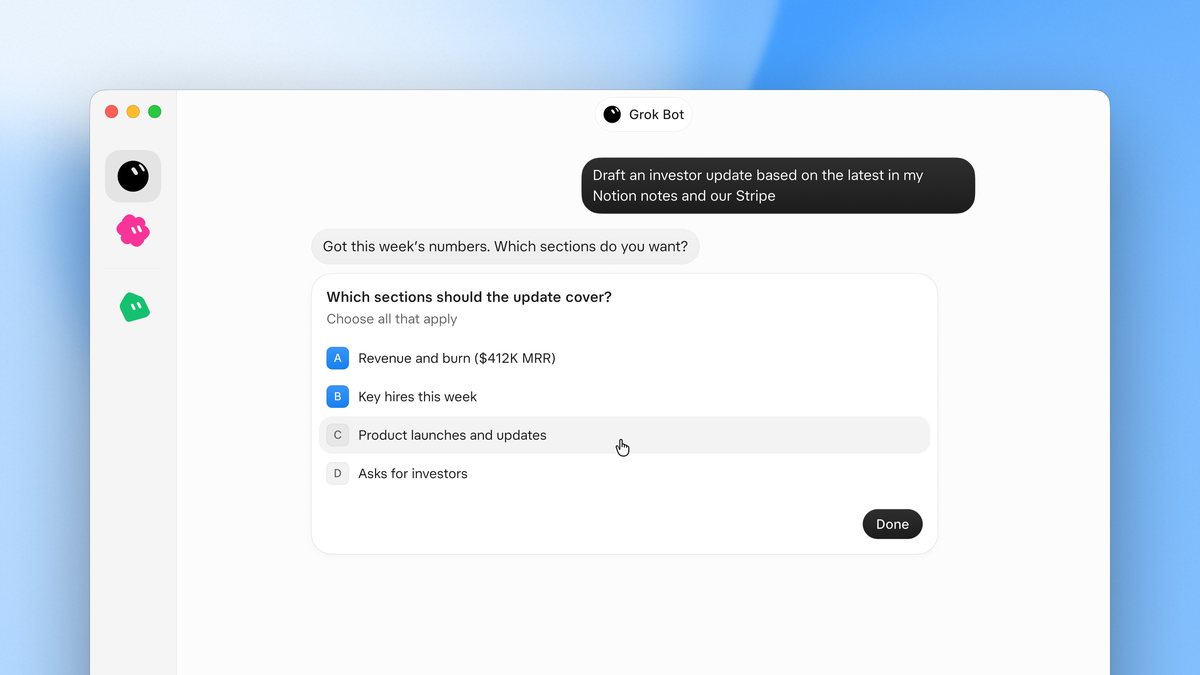
Early on Thursday, X user @XFreeze posted that Grok Bot had booked a flight for them. They said the airline’s website was confusing, so they sent the bot “a photo of my credit card and it did the entire process.” Musk quoted the post about 20 minutes later: “This works well. If Grok @Bot makes a mistake with a purchase or leaks your card (never happened yet), SpaceX will make you whole” (@elonmusk).
That one line is new ground. As Business Insider pointed out, Grok, Meta and OpenAI all take a broadly similar line in their published agent terms: the user is responsible for what the agent does. None of them offers an explicit pledge to pay you back. BI also noted what Musk left out. He didn’t say whether the promise covers unauthorised purchases, wrong bookings, fraud by third-party merchants, or knock-on losses such as a missed trip. SpaceX did not immediately respond to BI’s request for comment.
What the Terms actually say
The Grok Bot Terms, last updated on 12 October and now published under the SpaceXSI name, are blunt. Section 2.4 says the customer “is solely responsible for charges, commitments, communications, and other consequences” of the bot’s actions. Agentic actions are provided “as is”. In capital letters, the Terms add that the provider is not liable for any loss or charge arising from them, “except to the extent directly caused by Provider’s gross negligence, or willful misconduct.”
Section 2.3 goes further. It says approval controls are “aids only” that may not catch every mistake, and that customers should use “appropriate human review” before letting the bot handle financial transactions. Section 2.2 makes the customer responsible for setting permissions, approval requirements and spending limits. Section 4 notes that Grok Bot may keep files, credentials and memory in a persistent cloud environment.
Put those next to Musk’s post and the gap is obvious. A wrong booking made after you handed over your card is close to the exact case the Terms push back onto you.
A tweet sets expectations. A contract sets obligations. Right now Grok Bot has one of each, and they point in opposite directions.
The gap between a tweet and a contract
I don’t read this as Musk contradicting his lawyers so much as getting ahead of them. The Terms are written to protect the company in every case. The post is written to win over the customer. Both can be sincere. In practice, though, a support agent or a bank handling a dispute will look at the written terms first. If you ever need SpaceX to “make you whole”, a screenshot of a post on X is all you have to point to, and whether that counts for anything is a question for lawyers, not for me.
The more useful question is what SpaceX does next. Changing the Terms to match the promise would be simple, and the Terms already let the provider update them. Something like a “purchase protection” clause with a limit and a claims form would turn a nice line into a real product feature. Going by BI’s round-up, it would also be a first among the big agent makers it looked at.
Why it matters now
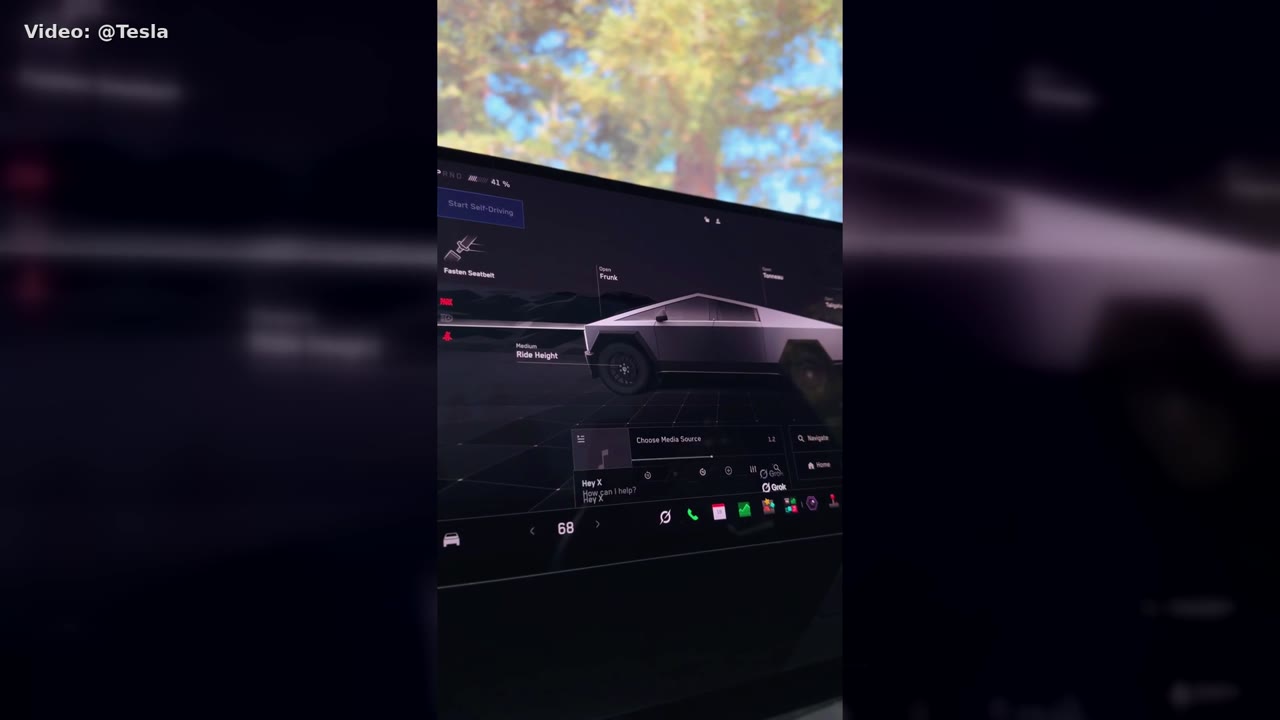
This isn’t a niche worry anymore. Just yesterday, the Grok Voice 3.0 launch described drivers using Grok Bot in Tesla vehicles to order a coffee or book dinner “completely hands-free.” Starlink’s call centres use Grok Voice for 20,000 calls a day, with roughly 70% resolved without a human and one in four sales calls ending in a purchase (more in our Voice 3.0 write-up). Since SpaceX acquired xAI, the company has a direct reason to make people comfortable letting agents spend money.
The risks are already real, too. BI cites Shane Mac, CEO of XMTP Labs, whose personal-finance agent built on Grok posted his bank balances and spending into his company’s executive Slack channel after confusing two similarly named chats. According to Mac, Grok’s team later changed its permission controls. BI also describes other agents ordering 20 pounds of chicken wings and accepting a low Facebook Marketplace offer, then sharing the user’s home address with the buyer (BI). A promise to pay people back is, in part, an answer to those stories.
What to watch next
- A written policy. Does the promise show up in the Grok Bot Terms or a help page, with limits and exclusions? That is the difference between a guarantee and a gesture.
- A claims process. Who do you contact, what evidence do you need, and how fast is the refund? None of that exists publicly yet.
- The card-photo habit. The flight that started this was paid for with a photographed card. Since the Terms say the bot can keep credentials and files in a persistent environment, I’d expect SpaceX to steer people towards safer payment set-ups and spending limits rather than card photos.
- Permission controls. After the Slack incident, how clear and how strict will approvals before spending become? The Muse buyer BI quoted had picked “Allow Always” but still expected to be asked first. Clear approval screens matter as much as refunds.
My read: this is a good instinct from Musk, and it puts pressure on every other agent maker to share the risk with users rather than leave it all with them. For now, though, treat it as a statement of intent. Keep spending limits on, review purchases before they go through, and don’t send your card as a photo until SpaceX writes the promise down.
Sources: @elonmusk on X (15 Oct) · @XFreeze on X (15 Oct) · Business Insider, Georgia Hennessy (15 Oct) · Grok Bot Terms (updated 12 Oct) · SpaceXSI: Introducing Grok Voice 3.0 (14 Oct) · xAI joins SpaceX (2 Feb)