SpaceX · Starlink · 20 Oct 2026
No, Canada isn't cutting off Starlink. Here's what Carney actually said, and why Telesat still needs SpaceX
A post saying Canada is "officially cutting ties with Elon Musk's Starlink" spread across X on Monday and Tuesday. Nothing new happened. The claim stitches together a C$2.3 billion military contract signed in August and a quote from a September interview. Canada does want to depend less on Starlink, but the network it's backing serves the military and businesses rather than homes, isn't in orbit yet, and will be launched on SpaceX rockets.

The claim
The version that took off reads: "Canada is official cutting ties with Elon Musk's Starlink. Prime Minister Mark Carney confirmed Canada is moving away from Starlink, heavily backing a $2.3B contract for homegrown rival Telesat Lightspeed instead." One copy, posted Monday at 7:58pm ET (), passed 57,000 views, and similar copies kept appearing on Tuesday.
The pieces of the claim are real. Putting them together as "officially cutting ties" isn't. Here's each piece and when it actually happened.
Piece one: the contract is from August
On August 4, 2026, Canada's Defence Investment Agency awarded Telesat an initial contract worth about C$2.3 billion (roughly US$1.6 billion) under a program called Enhanced Satellite Communications Project – Polar. Telesat's own release says two five-year options bring the total to C$2.7 billion over 15 years of service, and calls it the largest contract in the company's history.
What it buys is specific: secure military Ka-band links for the Canadian Armed Forces across the Arctic, from 65 to 90 degrees north, with service starting in 2028. It also pays for 69 more Lightspeed satellites, taking the planned network from 156 to 225. Terminals, ground stations and training are covered by a separate agreement that hasn't been announced yet.
So it's a military communications deal that has been public for 11 weeks. It isn't a new decision, and it doesn't touch consumer internet.
Piece two: the quote is from September
Carney's line came in a New York Times interview published September 23, which the paper later ran as a full transcript. Asked about relying on the US for key technology, he said: "Starlink, we will diversify away from, no question."
In the same answer, as MobileSyrup reported, he admitted the alternatives aren't as capable yet, and said that "from a defence perspective", pooled with "Europeans, Koreans potentially, you get to scale and you cut that dependency." That's a stated goal for defence communications. It isn't a ban, a cancellation or a deadline, and no government order to stop using Starlink has been published.
Ontario is the one place a government in Canada actually dropped a Starlink deal: the province cancelled a C$100 million contract to connect about 15,000 rural homes in March 2025, during the tariff fight. That was a provincial decision, it happened 19 months ago, and it isn't what the viral post describes.
Why it landed this week
The timing isn't random. Last week Ukrainian officials said they had lost some access to Starshield, the military version of Starlink, and CBC reported on a Reuters story that the order came from the White House. Trump denied being involved, and Musk said the decision was up to the US government. Allies watching that are exactly the audience Carney was speaking to. In a story published Tuesday, Telesat told Cybernews it would consider offering Lightspeed to Ukraine.
Lightspeed next to Starlink
| Starlink | Telesat Lightspeed | |
|---|---|---|
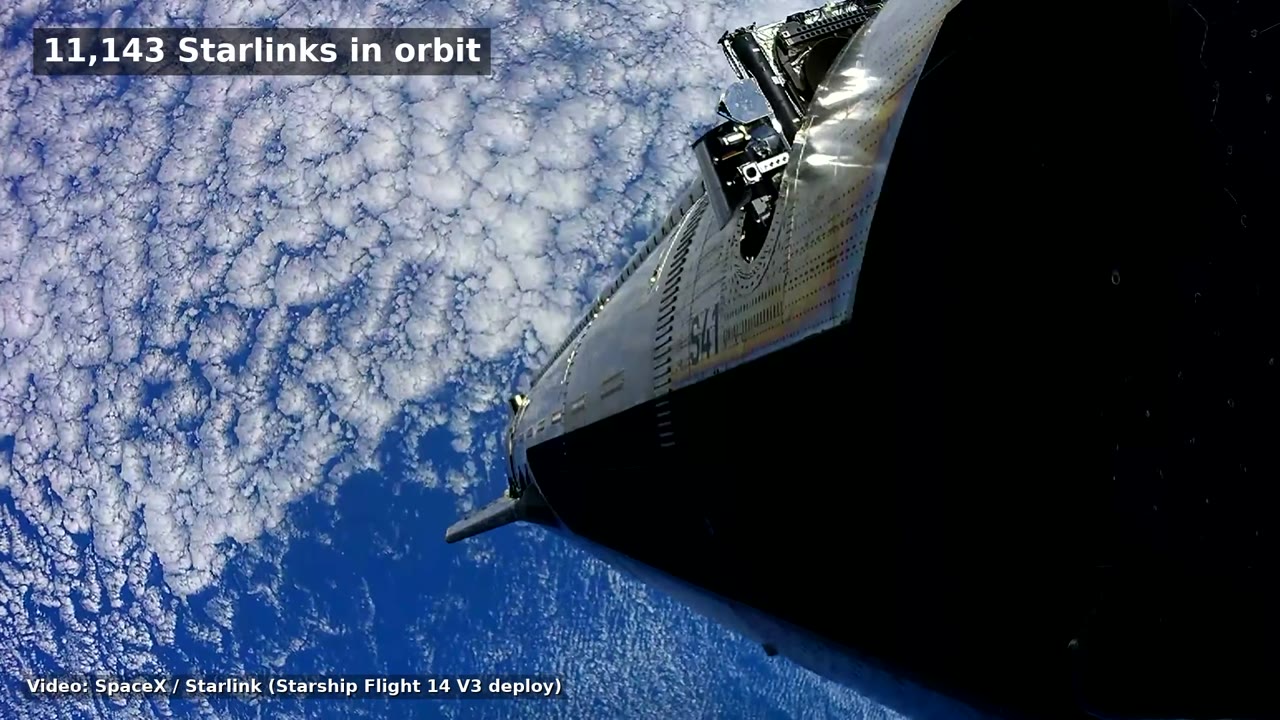
| Satellites | 11,149 tracked on Oct 20 (our Starlink tracker, CelesTrak data) | 0 in orbit; 225 planned |
| First satellites | Launching since 2019 | First two pathfinder satellites due December 2026 |
| Global service | Live | Q1 2028, per Telesat |
| Who it serves | Homes, vehicles, ships, planes, businesses, governments | Telecom carriers, enterprises, governments and defence; no direct home service |
| Canadian customers | More than 500,000 (Starlink, July 2025) | Canadian Armed Forces from 2028 |
| Launches | SpaceX Falcon 9 | SpaceX Falcon 9 |
Sources: Telesat (Aug 4, 2026), SpaceNews, Broadband Breakfast on Starlink's 500,000 Canada milestone, Cybernews, and our Starlink tracker. The comparison is my own.
By that count, Starlink has about 50 times as many satellites in orbit today as Lightspeed plans to have in total. That isn't the fairest yardstick, since Lightspeed uses fewer, larger satellites aimed at business customers, but it shows why nobody is about to switch a rural Canadian household from one to the other.
The part the viral post leaves out: SpaceX launches the rival
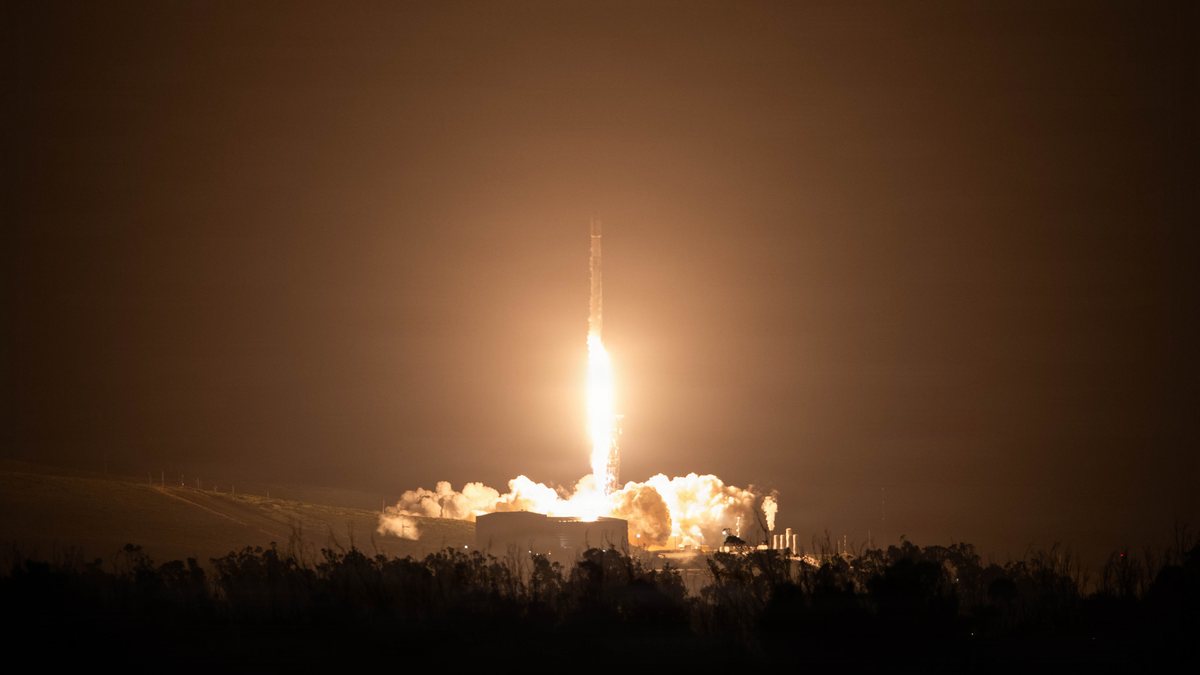
Telesat signed for 14 Falcon 9 launches in September 2023, each carrying up to 18 Lightspeed satellites. The August release says the 69 extra satellites will also fly on Falcon 9, with one more launch still being negotiated. According to Telesat CEO Dan Goldberg, as reported by Cybernews, that makes Telesat SpaceX's largest customer after the US government.
So the money Canada is spending to depend less on Starlink partly flows to SpaceX anyway, through launch fees. Telesat puts the total cost of its 225-satellite network at about C$7 billion, with C$2.7 billion spent so far.
The schedule also deserves a promise check. In 2023, Telesat and SpaceX said launches would start in 2026 and global service would begin in 2027. Telesat's August release says global service "remains on track for Q1 2028". Measured against the 2023 promise, that's a slip of about a year, and the first satellites haven't flown yet.
What's actually happening
- Done: Canada signed a C$2.3 billion military Arctic contract with Telesat on August 4, 2026.
- Stated goal, not an action: Carney said on September 23 that Canada will "diversify away" from Starlink, mainly for defence.
- Not happening: no announced ban on Starlink and no announced cut to Canadian customers' service.
- Still to come: Lightspeed's first two pathfinder satellites, due in December, and global service in early 2028.
My read
Canada's move is real, but it's slow and it's about the military. It's a bet that a country can buy itself an alternative for defence links, with Telesat's satellites still unflown and the bill partly paid to SpaceX. For Starlink's business, the bigger question is whether other allies copy the idea after the Starshield cutoff in Ukraine. SpaceX reports its Q3 results today, Tuesday October 20, with a webcast at 4:30pm ET (), and the connectivity numbers in our preview are where any effect would show up first.
Sources: Government of Canada, Defence Investment Agency (4 Aug 2026); Telesat press release (4 Aug 2026); Telesat and SpaceX launch agreement (11 Sep 2023); The New York Times interview (23 Sep 2026) and transcript (27 Sep 2026); MobileSyrup (25 Sep 2026); La Presse (9 Oct 2026); TeslaNorth (24 Sep 2026); CBC News (17 Oct 2026); Cybernews (20 Oct 2026); SpaceNews (4 Nov 2025); Broadband Breakfast; @SpaceX on X (20 Oct 2026). Satellite count from CelesTrak data on our Starlink tracker, 20 Oct 2026. The US dollar conversion follows Cybernews. The comparison table, the satellite ratio and the schedule check are my own.
— Alex R