Starlink · South Africa · Policy · 22 Oct 2026
The US ambassador says Musk offered Starlink to 500 South African schools. Starlink's own letter says 5,000
America's ambassador to South Africa says Pretoria turned down free Starlink for 500 schools "in perpetuity" because it wanted "30 per cent of the company." Starlink's own written offer is ten times bigger: more than 5,000 rural schools and 2.4 million children a year. And the paper trail shows something stranger still: Starlink has never actually applied for a South African licence. So who is really blocking whom?
On this page

What the ambassador said
US Ambassador Leo Brent Bozell III took on the Starlink dispute in an interview with South African outlet The Common Sense. The outlet posted the Starlink clip on X at (shown in your time zone), per its post. "What he offered was to put Starlink for free in 500 schools and pay for it in perpetuity," Bozell said, as quoted by Briefly News. "On Starlink, the government said they wanted 30 per cent of the company, which is preposterous," he said, per National Security News.
Two caveats matter. The Common Sense's own post says Bozell was describing the deal "as he understands it." And Briefly reports that he acknowledged he had not spoken to Musk directly. This is a diplomat's second-hand account, not a new offer from SpaceX.
US Ambassador Leo Brent Bozell III says that, as he understands it, Elon Musk offered to put Starlink free in 500 South African schools and pay for it in perpetuity. He says the government instead asked for 30% of the company, and calls that demand preposterous.
— The Common Sense (@CommonSense_ZA) October 22, 2026
500 or 5,000? The written offer settles it
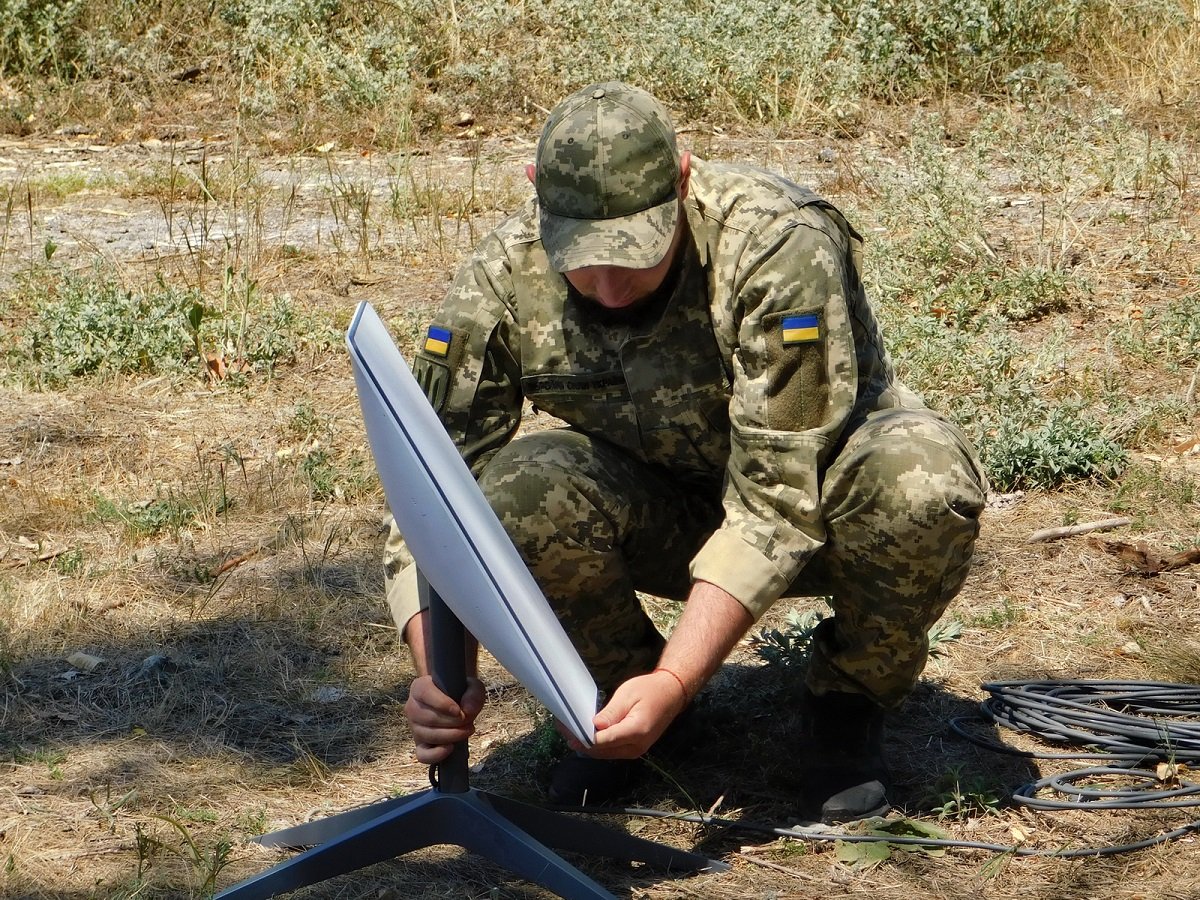
The number that's been going around (500 in some posts, 5,000 in others) comes from two different sources. Bozell said 500. Starlink's own 14 June 2025 letter to Trade Minister Parks Tau, signed by Starlink Market Access senior director Ryan Goodnight, offers "over 5000 rural schools" fully funded Starlink kits and service, reaching "an estimated 2.4 million schoolchildren each year." Starlink's South Africa page puts a price on it: "a R500 million investment" to connect 5,000 rural schools. So the ambassador's figure is ten times too small.
It's also an offer, not something that has happened. Nothing has been installed. The letter makes the schools conditional: Starlink will do it "if EEIPs are recognized for individual license holders."
What's on the table (all pledges, none delivered)
- Schools: 5,000+ rural schools with free service (Starlink letter, June 2025), through an Equity Equivalent Investment Programme of at least R500 million (Starlink South Africa page; ITWeb).
- Infrastructure: "nearly R2 billion" for local infrastructure, worked on with local internet providers on an open-access basis, Goodnight told South Africa's ISP association on 7 October 2025 (ITWeb, 8 Oct 2025).
- A local empowerment-compliant subsidiary: also pledged at that meeting, but only after the regulator, ICASA, aligns its rules with the law (ITWeb).
- What it won't do: sell 30% of a local licence-holder. "Starlink is a global system, and we must retain sole ownership of all our subsidiaries," the letter says.
The "30% of the company" problem
This is where Bozell's version and the law don't match. South Africa isn't asking for 30% of SpaceX. Under the Electronic Communications Act, any company holding an individual network or service licence (the local operating company) needs at least 30% ownership by historically disadvantaged groups, ICASA said in a statement reported by ITWeb (13 May 2026). That's 30% of a South African subsidiary. It's still a dealbreaker for Starlink, which keeps every subsidiary 100% owned in the "nearly 150 countries, territories and other markets" it served when it wrote the June 2025 letter. But it is a different and much smaller demand than "30% of the company."
The workaround Starlink wants already exists in other industries. Equity equivalent programmes let a multinational fund approved development projects instead of selling local shares. HP, Microsoft, IBM, Dell, Samsung and Amazon Web Services already use them under the ICT Sector Code, per ITWeb. They just don't count yet for telecom licences.
Where the fight actually stands
- December 2025: Communications Minister Solly Malatsi gazetted a final policy direction telling ICASA to accept equity equivalents in place of the 30% rule (ITWeb). Parliament's communications committee, the ANC and the EFF called for it to be withdrawn.
- May 2026: ICASA replied that full use of equity equivalents "would require a legislative amendment" to the Act (ITWeb). In other words, the minister's direction isn't enough on its own.
- June 2026: In a written reply to Parliament, the communications ministry said ICASA "has not received any license applications from Starlink," and that there "has not been any engagement" between the department and SpaceX (PMG, question NW1990, 11 June 2026). Starlink's June 2025 letter went to the trade ministry, not the communications ministry.
- October 2026: The new Electronic Communications Amendment Bill "does not relax or bypass" the ownership rules (Daily Maverick, 1 Oct 2026; Bill B12-2026).
So the government never formally turned Starlink down, because Starlink never applied. Starlink says it would "immediately apply" once equity equivalents count. The regulator says that needs Parliament. And the bill now in Parliament doesn't do it.
The math on the offer
At the European Central Bank reference rate for 21 October (about R16.37 to the dollar, via Frankfurter), R500 million is roughly $30.5 million. Spread over 5,000 schools, that's about R100,000 (around $6,100) per school. Per child, it's about R208 (around $12.70), counting the 2.4 million learners once. Add the pledged nearly R2 billion of infrastructure and the total is about R2.5 billion, or roughly $153 million. All of these are my calculations from Starlink's own figures.
Bozell's version doesn't add up the same way. If the price were the same but the number of schools were 500, each school would get R1 million, ten times what the written offer works out to. That's another sign the 500 figure is a slip and 5,000 is the real number.
Why it matters beyond South Africa
This is now part of a wider US–South Africa fight. In the same interview, Bozell listed telecom empowerment rules among Washington's demands to Pretoria and called empowerment rules a "non-tariff barrier" (National Security News). Meanwhile, rivals aren't waiting. Daily Maverick reported in July that local provider Herotel was chosen as an Amazon Leo distributor, with Herotel holding the licences so Amazon doesn't need one of its own. Starlink's model is to be the licensed operator itself.
My read
Bozell's clip has the outline right: Starlink offered free rural-school internet and won't give up local equity. But he undersold the offer by 10x and overstated the demand. It's 30% of a local licensee, not 30% of SpaceX. The bigger point he left out is that nobody has said no on paper, because no application exists. The real decision belongs to South Africa's Parliament, not the ambassador or Musk. Until the Act changes to count equity equivalents, 5,000 schools and 2.4 million children a year stay a promise. The strongest fact here: by the ministry's own account, ICASA has not received a single licence application from Starlink. Should Starlink apply anyway and make the regulator say no on the record? Tell me in the replies.
Sources: @CommonSense_ZA post of the Bozell interview clip (22 Oct 2026); Briefly News (22 Oct 2026) and National Security News (21 Oct 2026) on the same interview; Starlink letter to Minister Parks Tau (14 June 2025); Starlink South Africa page; ITWeb (8 Oct 2025) and ITWeb (13 May 2026); PMG, reply to question NW1990 (11 June 2026); Daily Maverick (1 Oct 2026) and Daily Maverick (15 July 2026); Electronic Communications Amendment Bill B12-2026; ECB reference rate via Frankfurter (21 Oct 2026). Calculations are mine.
— Alex R