SpaceX · Starlink · 21 Oct 2026
Who throttled Ukraine's Starshield? Three accounts of one speed cap, and what's actually confirmed
On Tuesday, minutes after SpaceX posted its Q3 results, The Wall Street Journal reported that Elon Musk ordered last week's speed cap on the military-grade Starlink service Ukraine uses, citing US officials and people familiar with the matter. That doesn't match what Musk wrote on X a week earlier, when he said limits on that service are "decided by the US military and ultimately POTUS." Here's each account side by side, the parts nobody disputes, and the deadlines that could bring real answers.

What isn't in dispute
On October 14, Ukrainian officials reported that their access to Starshield had been restricted for devices moving faster than 100 mph. That's how four US senators summed it up in a letter to SpaceX on October 19, which says the restrictions came "without warning." Ukrainian officials said military-grade terminals stopped working when mounted on fast-moving objects, interfering with drones that rely on them for guidance, CBC News reported. The Wall Street Journal reported that the new speed limits disrupted drone attacks over Russian-occupied Ukraine, according to Ukrainian officials and military units.
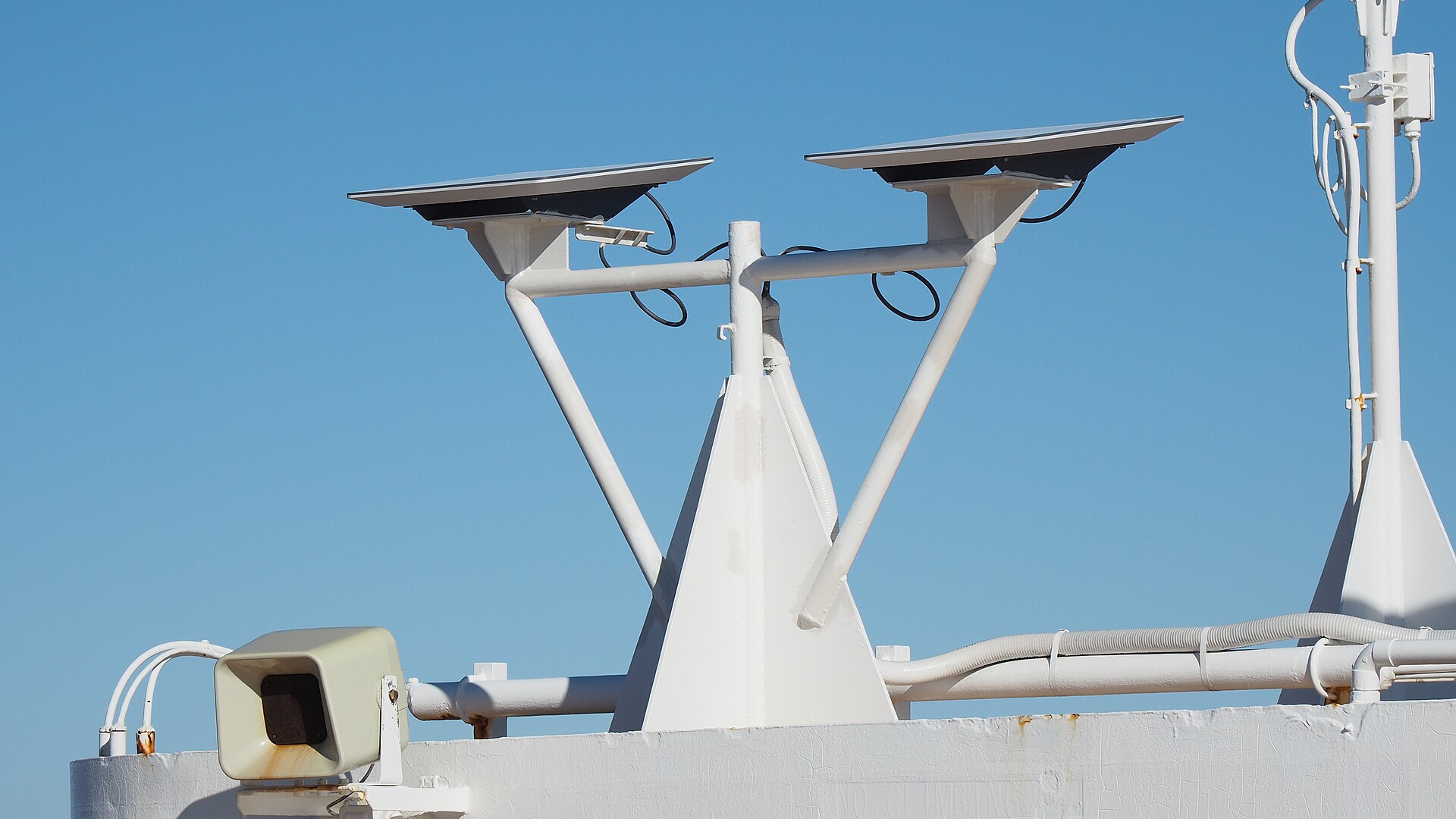
Starshield is not the Starlink most people know. It's a SpaceX product for governments, with enhanced encryption and dedicated terminals, and it relies on the Starlink constellation as its backbone. CBC News reported that in Ukraine's case the Pentagon covers the fees, and the senators' letter says the service was "procured by the U.S. Government." That split, with a government customer on a network SpaceX runs, is why the question of who flipped the switch is hard to answer from the outside.
The service came back only partly. Mykhailo Fedorov, Ukraine's defence minister, posted on October 14 at 2:06pm ET () that "Starlink connectivity at speeds of up to 160 km/h is being restored" and that "removing Starshield's speed limit entirely is now critical." On Monday, October 19, Sen. Richard Blumenthal posted that President Zelensky had told senators that "intelligence sharing & Starshield access are still partially degraded," The Hill reported.
Account one: Musk said the US government decides
Less than an hour after Fedorov's post, Musk replied on X at 3:00pm ET () on October 14: "Starshield systems are owned and controlled by the US government. Any limits on speed or usage are decided by the US military and ultimately POTUS." In the same post he said commercial Starlink is limited to "civilian or defensive activities." The post has been viewed more than 4.5 million times.
Read carefully, it describes who has authority over Starshield. It doesn't directly say who made this particular decision.
Account two: a report pointed at the White House
Later that week, a Reuters report said the White House had ordered the restrictions, as CBC summarised it. CBC reported that President Trump denied he was involved in the decision, and said he didn't think Musk was involved either. Secretary of State Marco Rubio denied that the US caused the interruption, and Treasury Secretary Scott Bessent warned Zelensky to be "very careful about making statements like this that aren't true," CNBC reported.
On Monday, October 19, asked whether he had looked into who interrupted Starlink, Trump said: "I don't know who it was but I'd like to find out," according to the White House pool report.
Account three: the Journal says Musk ordered it
The Wall Street Journal's report, published Tuesday minutes after SpaceX released its earnings, says Musk "capped the speeds at which Ukrainian hardware could stay connected to the satellite-based network," citing US officials and people familiar with the matter. As CNBC relayed it, two people told the Journal that Musk and Trump discussed the move "soon after" it became public, and one of them said Musk raised it with several senior administration officials, including the president, before imposing the cap. The Journal also reported that Zelensky's complaints led to an informal investigation inside the White House.
This is reporting based on unnamed sources. The White House and an email associated with Musk didn't immediately respond to CNBC's request for comment, and CNBC noted the report wasn't mentioned on SpaceX's conference call with investors that evening.
The accounts next to each other
| Who | When | What they said about who decided | Status |
|---|---|---|---|
| Elon Musk, on X | Oct 14 | Starshield limits are "decided by the US military and ultimately POTUS" | On the record |
| Reuters, via CBC | Week of Oct 14 | The White House ordered the restrictions | Denied by Trump; Rubio denied the US caused it |
| President Trump | Week of Oct 14, and Oct 19 | Wasn't involved, didn't think Musk was; "I'd like to find out" | On the record |
| The Wall Street Journal | Oct 20 | Musk ordered the cap; sources say he discussed it with Trump and senior officials | US officials and people familiar, unnamed; no public response yet from Musk or the White House |
Sources are linked in each section above. The table and its wording are my own summary.
These accounts don't fit neatly together. Who can actually set limits on Starshield, and who has to sign off, is a question about contracts and permissions, and it's what Congress is now asking for in writing.
What happens next, with dates
- Requested, not yet done: In a letter announced on October 16, a bipartisan group of senators led by Thom Tillis (R-NC) and Jeanne Shaheen (D-NH) asked the Pentagon's Inspector General to investigate, including whether "actions or decisions by the Department of Defense or its contractors" played a part. They said they understand that at least some of the services are provided through contracts administered by the US Space Force.
- Deadline: November 2, 2026. Senators Shaheen, Blumenthal, Sheldon Whitehouse and Chris Coons asked SpaceX's vice president of legal for answers and records on or before that date. Their letter raises questions about "the ability SpaceX has to restrict access to either Starshield or Starlink services."
- Pledged: Rep. Brian Fitzpatrick (R-Pa.) vowed to hold any US officials who limited Starshield "fully accountable," per The Hill.
- Reported, not confirmed: an informal White House inquiry, per the Journal.
My read
For SpaceX, this lands in an awkward week. The company just reported its Q3 numbers (our Q3 breakdown), and a large batch of locked-up shares starts unlocking on Thursday, October 22 (explained here). Starshield is a government business, and government customers want the service to do what the contract says, every time. Whoever made the call, the episode raises the question of whether one company's network can be throttled mid-war. It's a similar worry to the one behind Canada's push to diversify and Europe's telecom spectrum bid.
The November 2 letter is the date to watch. If SpaceX answers it, we could learn more about who can set limits on Starshield than any post on X has told us so far. I'll update this piece if Musk, SpaceX or the White House respond to the Journal's report.
Sources: The Wall Street Journal (20 Oct 2026) and (14 Oct 2026); CNBC (20 Oct 2026) and (19 Oct 2026); @elonmusk on X (14 Oct 2026); @FedorovMykhailo on X (14 Oct 2026); Senate Foreign Relations Committee minority, letter to SpaceX (19 Oct 2026); Sen. Thom Tillis (16 Oct 2026); CBC News (17 Oct 2026); The Hill (19 Oct 2026); White House pool report (19 Oct 2026). The comparison table and analysis are my own.
— Alex R